Returning Home
"We didn't have anything to go back to."
- Shiro Takeshita, in an interview conducted by the USC Shoah Foundation
After being released from internment camps in March of 1946, Japanese Americans returned to nothing. Many found their houses ransacked, their belongings destroyed or stolen, and some completely lost their property.
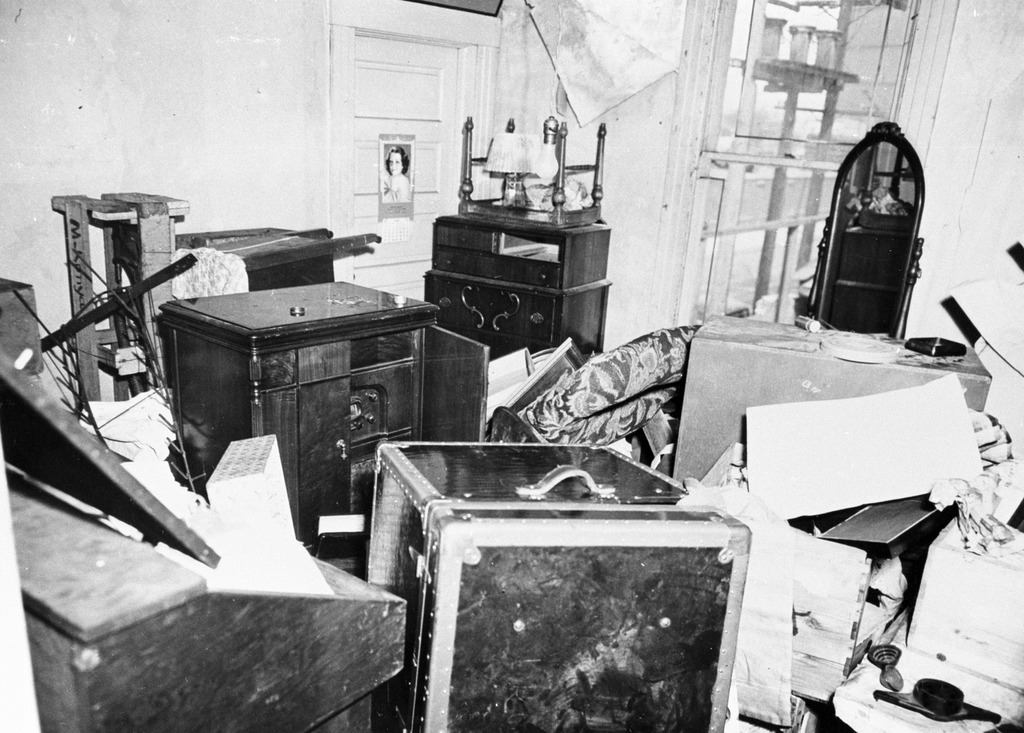
Vandalism at the White Star Soda Works, California. Courtesy of Densho.
"He [his father] lost a ten thousand dollar restaurant. Never compensated. Not a penny.…And the minute we went in camp, they just go right in there and steal everything."
- Frank Sumida, in an interview with Densho
“The farm was leased. But the lessee just stole everything. Didn’t continue to farm and then left the house vacant so then the vandals got in and got rid, vandalized all of our personal property that was stored in the attic of the house. All the photographs and everything were all… gone. The lessee had stripped it of all the appliances and everything."
- Harvey Watanabe, in an interview with Densho
"They said they will harvest everything and take care of it for us and will send us the money when they get it all harvested and all this … They did not touch it again or do anything out there, and they ransacked all the houses.”
- Mitsuko Hashiguchi, speaking about what happened after Western Farm Incorporated promised to take care of her family farm
Many pounced upon Japanese American weakness- it was an "opportunity" to exploit them, to steal and destroy, forcing many Japanese Americans to lose all they owned and have to restart their lives with nothing.
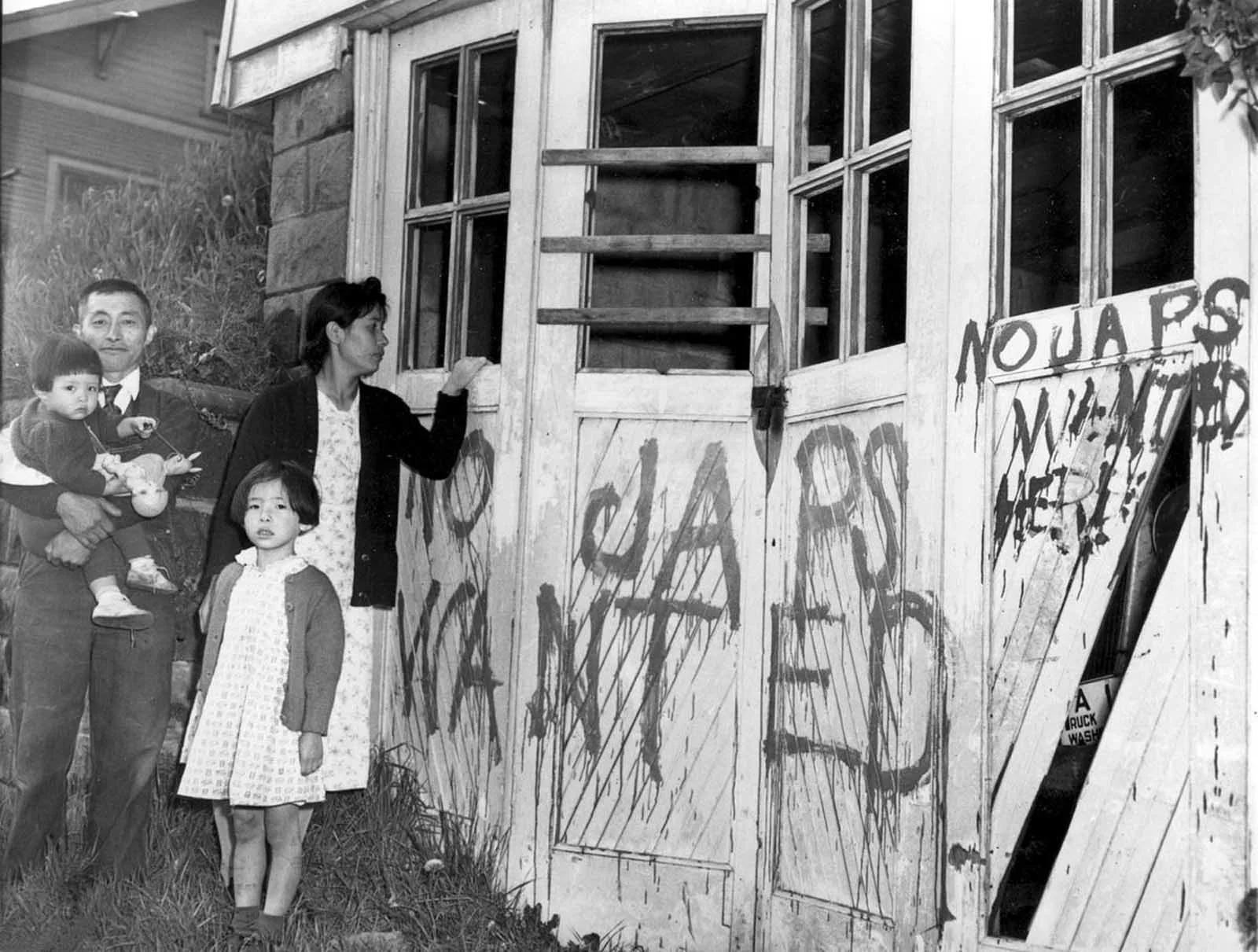
Family returning from internment. Vandalism says, "NO JAPS WANTED". Image courtesy of Japanese American Internment Camps.
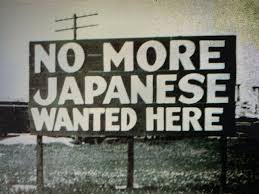
Sign saying "No More Japanese Wanted Here". Image courtesy of AsAmNews.