Resilience and Resistance
Resilience
"There's a word called "Shikata ga nai" (仕方がない), which means 'It can't be helped'. Or another phrase which says 'Gaman shinasai' (我慢 しなさい). Gaman means to endure, so the phrase means to endure. It's to endure without criticism, without emotion, without showing shame, or causing any shame to be brought among yourself."
- Toru Saito, internee at Topaz War Relocation Center
These phrases allowed Japanese Americans to endure racism. It was a way they showed personal strength and resilience through the removal of their rights and dignity.
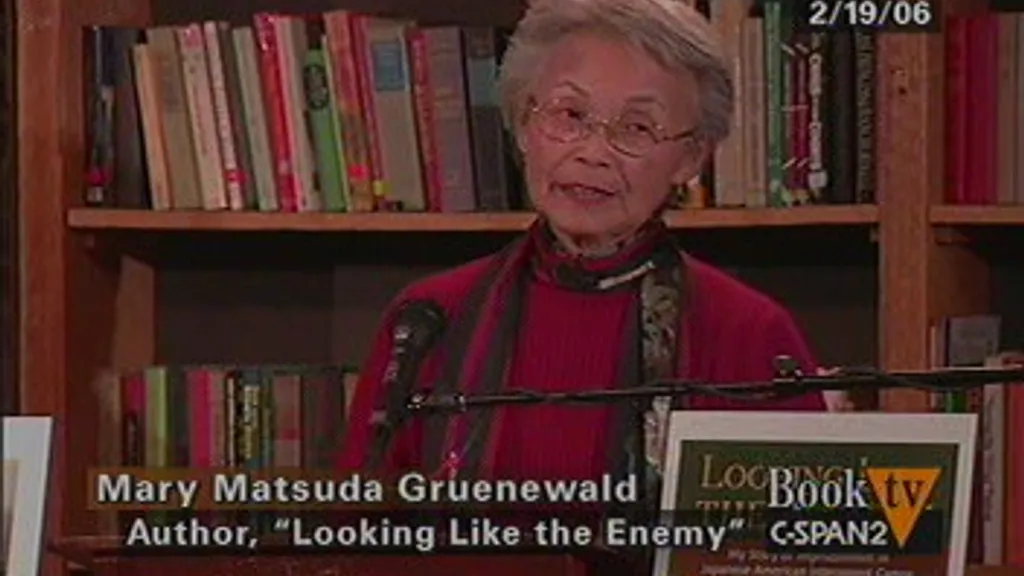
Mary Matsuda Gruenewald with her memoir. Image courtesy of C-Span.
In Mary Gruenewald’s memoir, Looking like the enemy: My story of imprisonment in Japanese-American internment camps, she writes: “They may have taken everything from us, but they can never take away our courage and resilience.”
By staying true to this part of Japanese culture, Japanese Americans were able to survive.
Resistance
"I figured it was unconstitutional what they were doing."
Fred Korematsu
Interview with Takashi Hoshizaki, one of many who disobeyed the U.S.'s war draft. Video courtesy of KCAL News.
Fred Korematsu was an important figure from the San Francisco Bay Area who stood up against Executive Order 9066. In an interview with Densho, he recalls: "I didn’t feel that I did anything wrong. And if anybody did anything wrong, it was the law."
In Korematsu v. United States, Korematsu sued the United States after staying at home instead of obeying Executive Order 9066 to relocate, and was arrested. The court ruled 6-3 for the U.S., claiming that the evacuation order was valid because it "didn’t show racial prejudice" and instead responded to “strategic imperative”.
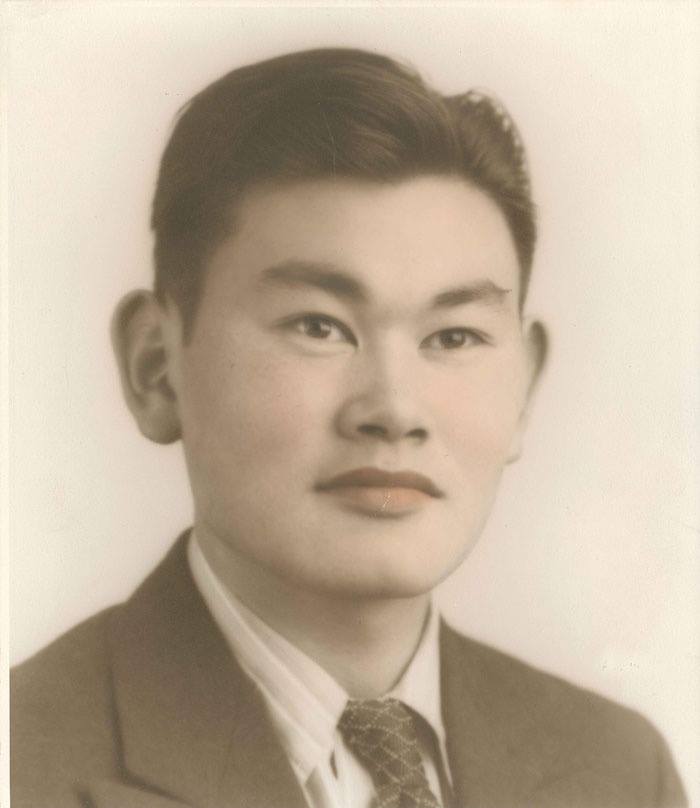
Fred Korematsu. Image courtesy of Zinn Education Project.
"To have this, you know, not happen again, for educational purposes, I just continue on. And if I can make an appearance in class and so forth, and let the students know what happened, so this won’t ever happen to them or others, it’s worthwhile doing."
Fred Korematsu
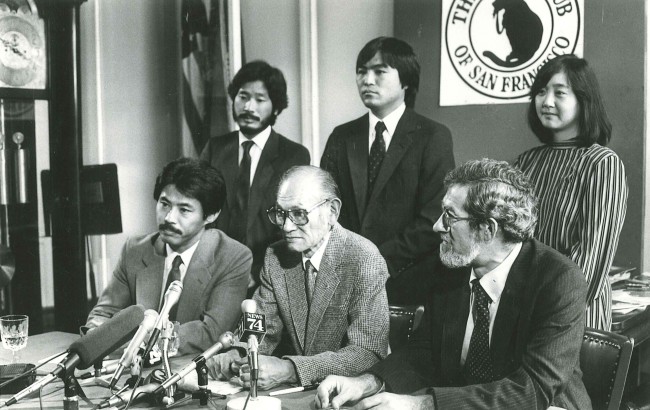
1983 press conference on the Korematsu internment case. Image courtesy of Zinn Education Project.
Although Korematsu lost his case, it served as inspiration for other forms of legal action, and a dangerous reminder that the U.S. justice system could be biased during times of war.